

KING'S CAVES
VISITOR NOTICE:
Carved into the red sandstone cliffs of Drumadoon Bay, the King's Caves are among the most remarkable places on the Isle of Arran's west coast, and among the most quietly astonishing anywhere in Scotland.

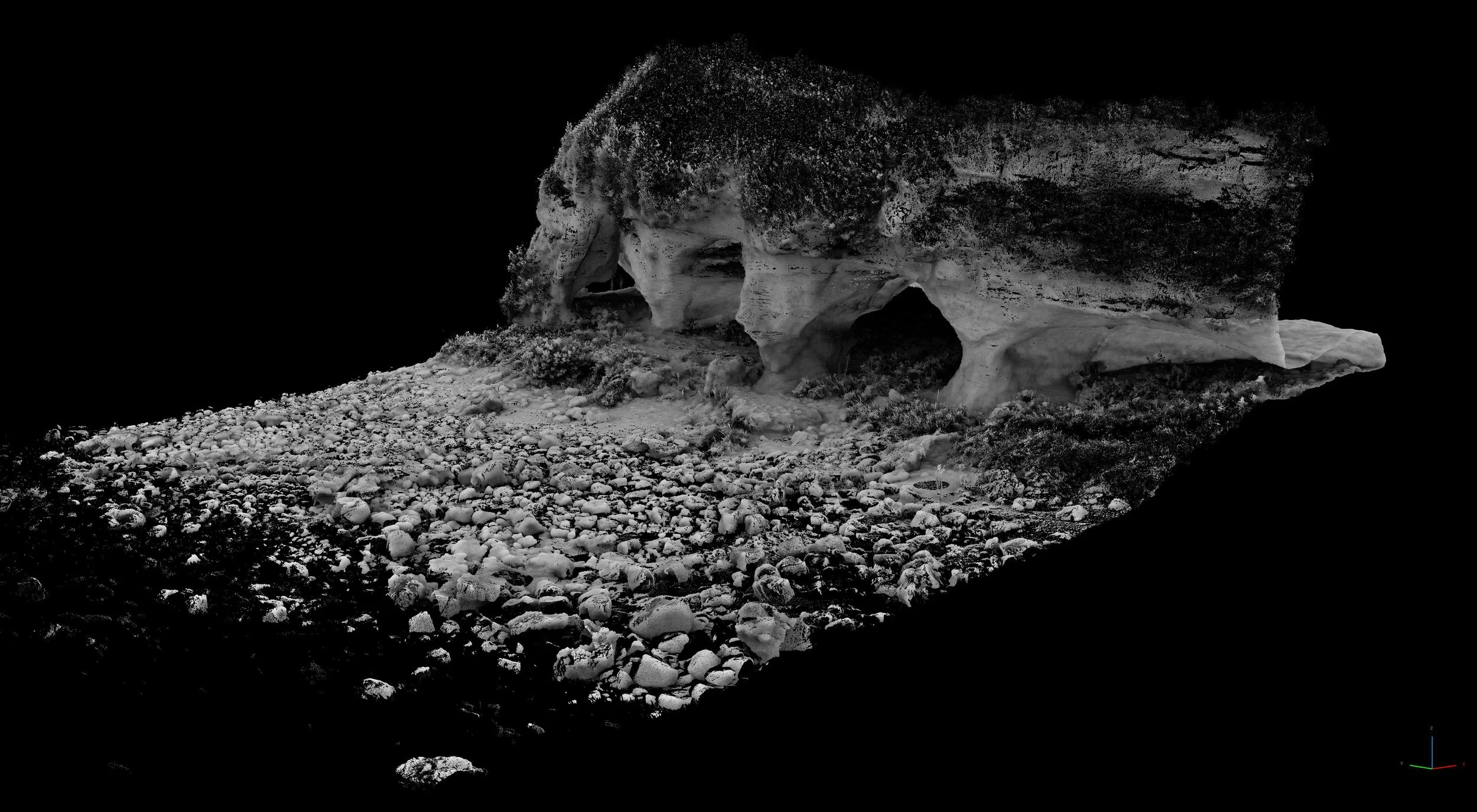


The caves were cut by the sea. At the end of the last Ice Age the weight of the ice had pressed the land down, and the waves worked into the soft sandstone at a level several metres above today's shoreline. As the ice retreated the land slowly rose again, lifting the caves clear of the water and leaving them stranded along a raised beach, high and dry above the modern tideline. What the sea made, people then made their own.
They have been used for thousands of years. Early hunter-gatherers sheltered here on a coastline rich with food. Later, hermits and early Christians left their mark on the walls, and in the eighteenth century the largest cave was used for church meetings and, by tradition, as a school. Sermons were once preached inside to congregations of several hundred.
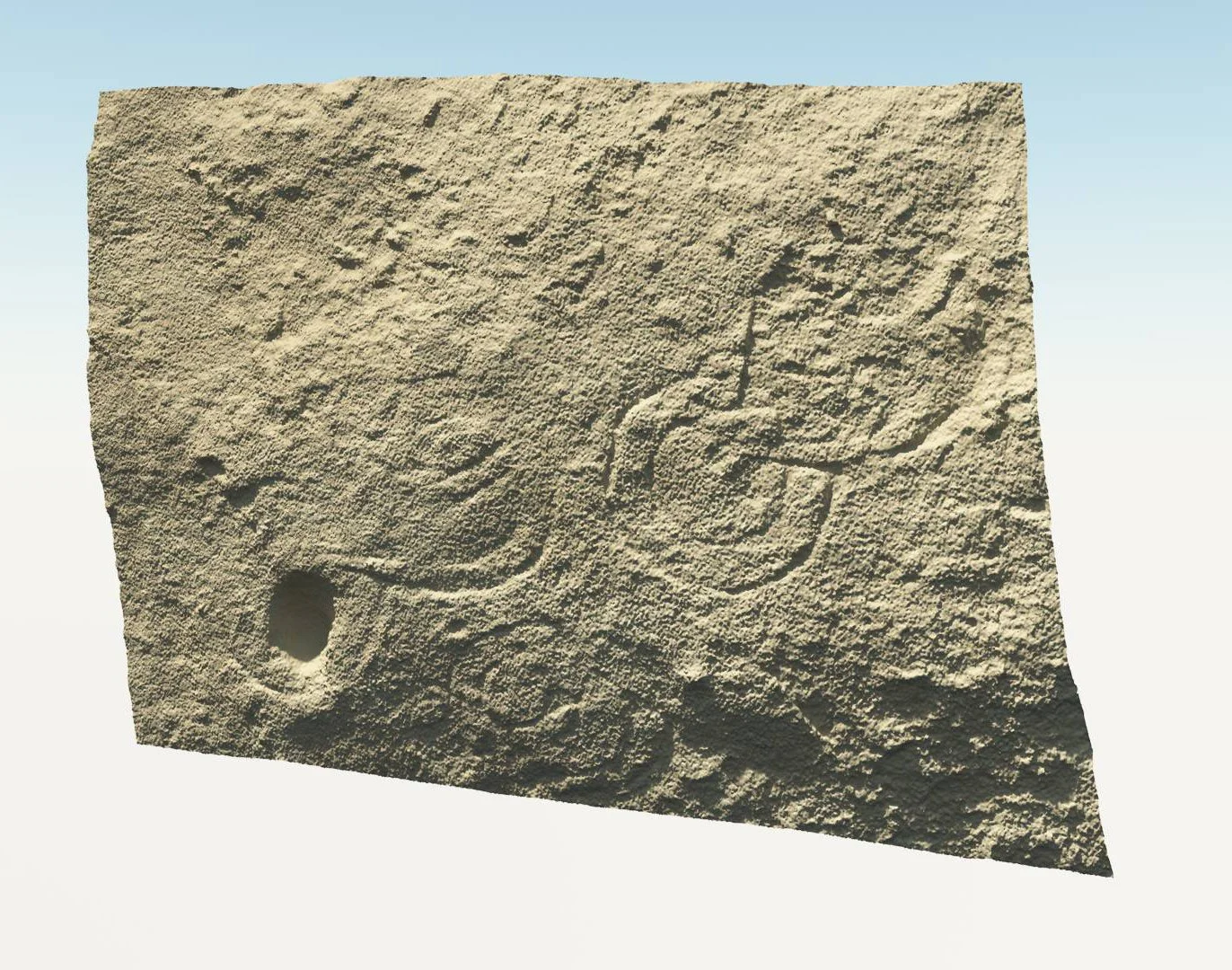
The carvings are what make the site nationally important. Amongst them you can find incised crosses, rare Norse serpents, Irish Ogham script, animals, human figures and cup and ring marks, layered over one another across centuries and speaking of Arran's long connections across the Irish Sea. We have laser scanned the caves to create a detailed 3D digital model, so that this fragile record is conserved and can be studied without ever being touched.
The name is more recent. The caves were long known as Fionn's Cave, after Fionn mac Cumhaill, the giant-hero of Irish legend, and stories of a piper who walked into the hill and never came out still cling to the place. They took their present name from Robert the Bruce, said to have sheltered here and watched a spider try, and try, and try again. Historians treat that tale as legend rather than record. It is no less worth telling for that.
PLANNING A VISIT
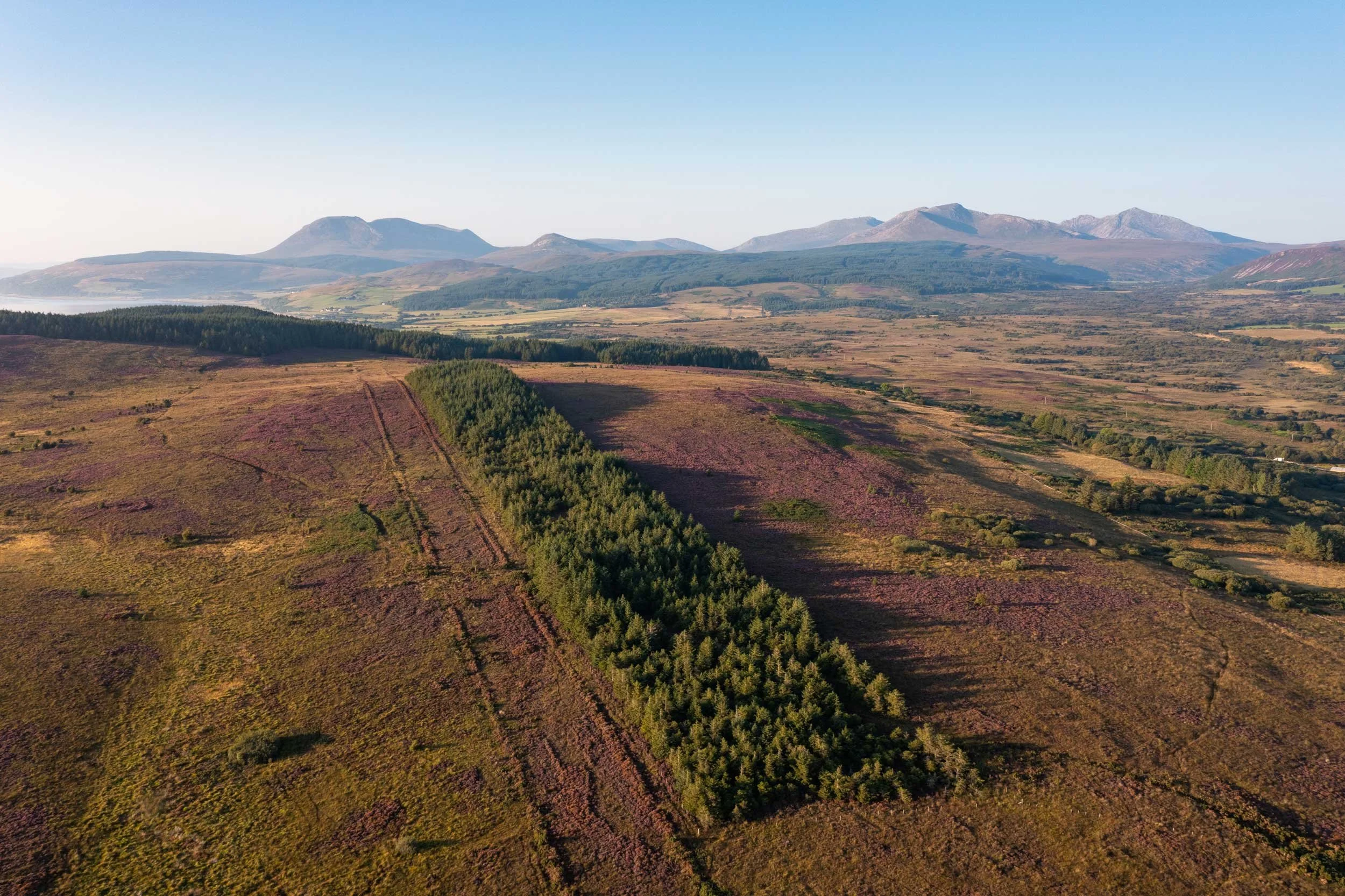
The caves sit on the shoreline path below Torr Righ Mor, with long views across Kilbrannan Sound to Kintyre. Access is currently suspended while we address the rockfall risk described above.